What Is TSCM? (Technical Surveillance Counter-Measures Explained)
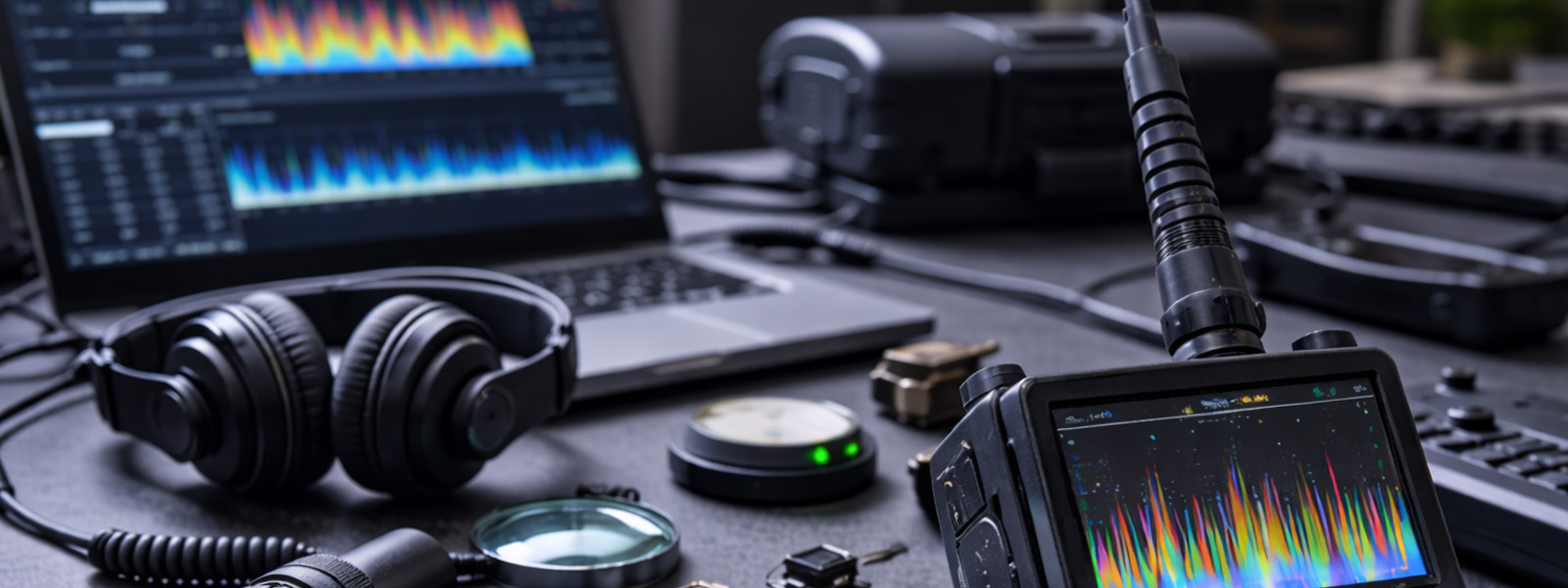
TSCM is commonly referred to as “bug sweeping,” however professional TSCM involves structured technical inspection using specialised equipment rather than casual scanning.
In Queensland, TSCM inspections are typically requested in domestic disputes, business confidentiality concerns, executive environments, or situations involving suspected stalking or tracking.
If you require a structured inspection, see our home bug sweeping service, business bug sweeping services, or vehicle tracker detection service.
What Does TSCM Actually Involve?
Professional TSCM is a methodical process designed to assess risk without damaging property or relying on assumptions.
A structured inspection may include:
1. Physical Inspection
Room-by-room visual examination of:
- Fixtures and fittings
- Electrical outlets
- Furniture
- Decorative items
- Common concealment points
This stage identifies objects that are modified, out of place, or inconsistent with their intended purpose.
2. RF Spectrum Analysis
Professional radio-frequency analysis is used to detect active transmissions such as:
- Audio transmitters
- Wireless cameras
- Cellular-based devices
- Short-range transmitters
Modern devices may transmit intermittently, so monitoring is structured and deliberate.
3. Non-Linear Junction Detection (NLJD)
NLJD equipment detects electronic components even if a device is switched off or not transmitting.
This allows concealed electronics to be located inside walls, furniture, or objects without invasive access.
4. Thermal Imaging
Thermal imaging can identify abnormal heat signatures associated with powered electronic devices concealed within structures or furnishings.
5. Vehicle Inspections (Where Required)
Vehicle inspections may include:
- Bluetooth scanning for tracking tags
- RF scanning for transmitting devices
- OBD port checks
- External inspection for magnetically attached trackers
- NLJD scanning of accessible areas
Vehicle inspections are typically conducted as a separate service.
What TSCM Is Not
Professional TSCM is not:
- Guesswork
- Confrontation-based investigation
- Basic “bug detector” gadget scanning
- Property damage
- Entry into unsafe roof cavities or confined spaces
Inspections are non-invasive and evidence-based.
When Is TSCM Appropriate?
- High-conflict separation or family court matters
- Confidential business discussions
- Suspicious hardware has been discovered
- Documented stalking or harassment
- Formal documentation is required
- Peace of mind is needed
In many cases, concerns can be resolved through practical advice rather than full inspection.
Is TSCM Legal in Queensland?
Yes. Conducting an inspection of your own premises or vehicle is lawful.
However:
- Installing listening devices without consent is generally unlawful
- Handling or removing devices may depend on ownership
- Improperly obtained evidence may not be admissible
If criminal conduct is suspected, police advice should be sought.
How Common Are Surveillance Devices?
In practice, most concerns do not involve sophisticated covert hardware.
More commonly encountered issues include:
- Bluetooth tracking tags
- Shared account access
- Misconfigured devices
- Password compromise
The purpose of TSCM is to resolve uncertainty calmly and methodically.
How Long Does an Inspection Take?
A standard residential inspection typically takes two to four hours depending on:
- Property size
- Clutter levels
- Access limitations
- Whether vehicles are included
Reports can be provided if requested in advance.
Why Experience Matters
- Correct use of detection equipment
- Structured inspection methodology
- Accurate interpretation of findings
- Calm, evidence-based judgement
After decades working in electronic counter-surveillance across Queensland, one principle remains consistent:
Clarity is more powerful than suspicion.
Frequently Asked Questions
What does TSCM stand for?
Technical Surveillance Counter-Measures, the professional detection of surveillance devices.
Is TSCM the same as bug sweeping?
Bug sweeping is the common term, but TSCM refers to structured technical inspection.
Can TSCM detect switched off devices?
Yes. Equipment such as NLJD can detect electronic components even when inactive.
Is TSCM only for businesses?
No. Residential clients frequently request inspections for peace of mind.
Does a TSCM inspection damage property?
No. Professional inspections are non-invasive.